How Battery Water Affects Inverter Performance: Distilled Water vs. Tap Water

These days power cuts are growing everywhere, and because of that, more homes depend on inverter batteries to stay comfortable. However, hardly anyone thinks that battery water can make all the difference in the life of an inverter battery. In fact, putting the wrong water in will lead to reduced backup, delayed charging, and even damage to the plates. Understanding this simple yet crucial part of battery maintenance is very important. This is what exactly Eco power batteries, one of the leading inverter battery supplier in India, takes into consideration while providing for your energy needs

Why Battery Water Matters

Inside an inverter battery, water mixes with acid to create the energy that keeps your home required to run during power cuts. However, this mix must stay clean for the durability of the inverter battery.

When the water quality is poor, the battery begins to heat up, lose charge faster, and weaken from the inside. As a result, backup time drops and the battery life becomes shorter.

This is why all Eco power batteries, one of the leading inverter battery suppliers in India, recommend one thing very clearly: always use the right water.

Distilled Water: Is the Safe Choice for your inverter battery 

Distilled water is the most basic type of water. It has:

  • No minerals
  • No salt
  • No dirt
  • No impurities

So, distilled water will not react with the battery plates, nor does it create sediment deposits inside the battery. This means that the battery can run cooler, hold charge better, and last longer.

In simple words, distilled water = safe, clean, and perfect for inverter batteries.

Tap Water: Why It Causes Damage

Many people use tap water or hand-pump water because it is easy to find. However, tap water contains:

  • Minerals 
  • Dust particles
  • Chlorine
  • Tiny salt deposits

These impurities stick to the battery plates and block chemical reactions. Therefore, charging becomes slow and backup becomes weak. Over time, this buildup damages the battery permanently.

This is why Eco power, one of the the top Battery Manufacturer in Lakhimpur brands strongly warn against using tap water.

How the Right Water Extends Battery Life

Using distilled water gives three major benefits:

  • Longer backup time

Clean water helps the battery store energy more efficiently.

  • Faster charging

No impurities mean no blockage, so charging happens smoothly.

  • Longer battery life

Plates stay healthy and work well for years.

What differentiate Eco Power inverter batteries 

Eco Power, one of the leading inverter battery suppliers in India,  batteries are designed with strong grids, high-quality plates, and advanced technology that makes maintenance easier for every user. Even when people are not very familiar with technical details, the inverter battery manages heat better, supports longer backup, and stays stable in tough power cut conditions. With proper distilled water topping, the inverter battery delivers its full performance for years.

Secure Your Home with Smarter Battery Care

Your inverter battery protects you when the power goes out, but it also needs the right care from your side to stay strong. Distilled water keeps the inverter battery healthy, safe, and long-lasting. Tap water may look harmless, but it slowly harms the inverter battery. So, choosing the right water is a small step that saves money, time, and stress.

If you want dependable performance, longer life, and steady backup, maintain your battery well your go to choice must be Eco power inverter batteries, the brands that care about quality.

FAQs

1. How frequently do I need to fill distilled water in my inverter battery?

Make sure you check it at least on a monthly basis, and only refill on a low level.

2. Can I combine local water with distilled water?

Avoid combination; mixing will lessen purity and cause damage over time.

3. Does distilled water improve backup?

Yes,the cleaner the water, the better the battery will hold and release the power.

How to Save Energy During Summer: Smart Tips by Eco Power Batteries

Summer months bring with them longer days, higher temperatures, and regretfully, rocketing electricity bills. While air conditioners, coolers, and fans work overtime, energy consumption rises rapidly—largely to contribute to frequent power cuts and high spending. Yet with a little consideration and intelligent energy solutions, you can be comfortable without draining your pockets or stripping the world of its resources.

At Eco Power Batteries, we opt for power management that is sustainable, enabling you to save energy while maintaining uninterrupted comfort. Here are some simple steps to save energy this summer. 

Utilize Energy-Efficient Appliances

    Older appliances use more power, particularly cooling appliances such as refrigerators and air conditioners. The use of power-saving models with star ratings saves power. Their combination with Eco Power Batteries provides backup power without additional stress on the system.

    Maximize Cooling Naturally

      Close curtains or blinds during hot hours.

      Employ ceiling fans with inverter technology that draw less power.

      Cross-ventilation at night can reduce the use of air conditioners.

      By reducing the load on your cooling devices, you are not just saving energy but also extending your battery backup time.

      Use LED Lighting

        Using LED lights instead of incandescent bulbs decreases energy consumption by as much as 80%. On extended summer nights, LED lights powered by Eco Power Batteries offer efficient and constant lighting.

        Control Power Outages Efficiently with Batteries

          Regular summer blackouts may compel excessive use of inverters. The secret lies in using stable deep-cycle batteries with extended backup and less overloading. Eco Power Batteries have low energy loss and high efficiency, which is suitable for summer conditions.

          Minimize Phantom Loads

            Even when switched off, TVs, chargers, and computers draw small amounts of power. Unplug devices when not in use to save energy and extend your battery backup during outages.

            Keep Appliances Well-Maintained

              Clean filters in air conditioners, service coolers, and ensure refrigerators have proper ventilation space. Well-maintained appliances run more efficiently, lowering both power bills and battery strain.

              Stockpile Renewable Energy for Peak Times

                If you are using solar panels at your home, summer is the ideal season to harvest sunlight in large quantities. Paired with Eco Power Batteries, you can stock up solar energy and use it on evenings or power outages—saving money and promoting greener living.

                Use Timers and Smart Plugs

                  Smart water pump timers, smart lights outside, or even smart air conditioners avoid wasteful electricity usage. With a solid energy backup system in place, you can automate usage without fear of power outages.

                  Conclusion

                  Summer energy saving isn’t about sacrificing comfort—it’s about smarter energy decisions. It starts with efficient appliances, then goes on to using renewable energy. Whatever you do, every effort counts. The most important step is having a solid backup option that offers power without wastage.

                  With Eco Power Batteries, you can cool down, save money, and help make the planet greener. Let’s conquer the summer heat with comfort, confidence, and eco-friendly energy solutions this summer.
                  Eco Power Batteries – Dependable Energy, All Year Round.

                  Why ECO POWER Inverter Batteries Are the Perfect Backup for Indian Homes

                  Imagine you are in the middle of doing something really important, office work or just chilling with your family and suddenly power goes out. You’re just not alone in this situation, power outages are still common in many parts of India, and they can really disrupt your daily routine. This is where a reliable inverter battery becomes an important player and brands like Eco Power offers you a trusted source of inverter batteries on which you can rely upon. 

                  With time, Eco Power has become a priority choice for customers in India. Let’s explore why Eco Power is considered as the best inverter battery for Indian homes.

                  Built for Daily Power Cuts

                  Whether you live in a metro city or a small town, power cuts can happen any time—especially during summers or heavy rains. ECO POWER batteries are designed to give you strong and steady backup, even during long blackouts. So whether it’s your fan, lights, Wi-Fi, or even your fridge, everything keeps running smoothly.

                  That kind of reliability is what makes ECO POWER a top pick for homes that can’t afford to be left in the dark.

                  Perfect for Every Kind of Home

                  Not every home has the same power needs. Some just want to keep a few lights and fans on, while others might need backup for an entire household. The good news? ECO POWER has something for everyone.

                  Their range of inverter batteries works well with most inverter brands and is suitable for:

                  Apartments in cities

                  Family homes in towns

                  Rural homes with longer outages

                  They’re also safe for your electronic items, so no need to worry about your TV or laptop getting damaged during voltage drops.

                  Pocket-Friendly and Low Maintenance

                  ECO POWER understands that families want good quality without spending a fortune. Their inverter batteries are affordable, long-lasting, and easy to maintain.

                  You won’t have to top up the water too often, and they charge up quickly—saving you money on your electricity bill. Plus, their strong build means you won’t need to replace them as often as cheaper batteries.

                  When you’re looking for value for money, ECO POWER truly stands out as the best inverter battery for Indian homes.

                  Made for Indian Weather

                  India’s climate can be unpredictable. Scorching summers, humid monsoons, and chilly winters can wear down a regular battery pretty quickly. But ECO POWER batteries are made to handle it all.

                  They don’t overheat in high temperatures, their strong casing keeps moisture out during rainy days, and they perform well even on cold mornings. No matter where in India you live, ECO POWER is ready for the challenge.

                  Easy to Find, Easier to Trust

                  ECO POWER batteries are available across India, with a strong dealer network and customer support. Whether you’re buying your first battery or replacing an old one, help is always close by.

                  You’ll also get warranty coverage and servicing when you need it. This makes buying ECO POWER not just a safe choice—but a smart one too.

                  Conclusion

                  When it comes to keeping your home running during power cuts, you need something you can count on. With reliable backup, strong performance, and great value, ECO POWER is easily one of the best inverter batteries for Indian homes.

                  So if you’re looking to upgrade your home’s power backup, trust ECO POWER to light up your life—every day, no matter what.

                  Understanding Key Factors and Smart Buying Insights for Inverter Batteries

                  Inverter batteries are indispensable for ensuring a continuous power supply during outages, making their selection a critical decision for consumers. The pricing of these batteries is influenced by various factors, each playing a distinct role in determining the overall cost. From the type of battery chemistry employed to brand reputation, understanding these elements is crucial for making informed choices in the purchase of inverter batteries.

                  1. Battery Chemistry and Composition:

                  The type of chemistry used in inverter batteries, such as lead-acid or lithium-ion, significantly impacts costs. Lead-acid batteries are traditional and cost-effective but offer lower energy density and shorter lifespan compared to lithium-ion batteries. Lithium-ion batteries, though pricier, provide higher performance, longer lifespan, and greater energy density, making them a premium choice for those seeking enhanced reliability and efficiency in power backup solutions.

                  2. Capacity and Energy Storage:

                  The capacity of an inverter battery, measured in ampere-hours (Ah), is a pivotal factor in determining its cost. Higher-capacity batteries can store and deliver more energy, resulting in longer backup durations. This increased energy storage capability comes at a higher cost, making batteries with larger capacities more expensive but essential for users requiring extended power backup during prolonged outages.

                  3. Inverter Battery Lifespan:

                  The longevity of an inverter battery, often expressed in the number of charge cycles it can undergo, is a critical determinant of its price. Batteries with longer lifespans can endure more charge-discharge cycles over their lifetime, offering prolonged service. These batteries often come with a higher price tag due to the advanced materials and manufacturing processes required to achieve extended durability and reliability, making them a cost-effective choice over the long term.

                  4. Technology and Innovation:

                  Inverter batteries incorporating advanced technologies and innovative features contribute to their higher production costs and subsequently elevated pricing. Features such as smart monitoring systems, fast-charging capabilities, and improved energy management systems enhance user convenience and overall performance but necessitate additional research, development, and production expenses. Consumers opting for batteries with cutting-edge technologies may find the higher upfront cost justified by the enhanced functionality and reliability these innovations bring to their power backup solutions.

                  5. Brand Reputation and Quality:

                  The reputation of a brand and its track record in producing high-quality batteries significantly influence the price of inverter batteries. Established brands that have consistently delivered reliable and durable products build consumer trust over time. This trust often translates into a willingness to pay a premium for batteries from reputable brands, as consumers associate the higher cost with a higher likelihood of receiving a reliable and high-performing product. The investment in a reputable brand is seen as a safeguard against potential issues and a guarantee of superior performance, contributing to the overall pricing strategy of inverter batteries in the market.

                  6. Raw Material Cost:

                  The costs of raw materials used in manufacturing battery components directly influence overall production expenses and, consequently, the pricing of inverter batteries. Essential materials such as lead, lithium, and other metals contribute significantly to the composition of batteries. Fluctuations in the costs of these materials impact the overall manufacturing cost of batteries. For instance, if there is an increase in the price of lithium due to supply and demand dynamics or geopolitical factors, it can lead to higher production costs for lithium-ion batteries. Manufacturers often need to adjust their pricing strategies in response to these fluctuations, and consumers may experience these changes in the form of variations in the retail prices of inverter batteries.

                  7. Inverter Battery Design and Build:

                  The design complexity and build quality of an inverter battery play a crucial role in determining its durability and efficiency. Batteries with robust construction and well-engineered designs may command higher prices in the market. The use of high-quality materials, precision engineering, and attention to detail in the manufacturing process contribute to the overall build quality of the battery. 

                  Consumers often perceive batteries with superior design and build as more reliable, leading to a higher market demand and, consequently, a higher price point. Manufacturers investing in research and development to enhance the structural integrity and overall design of their batteries may justify a premium price by offering improved performance and a longer service life.

                  8. Maintenance Requirements:

                  Inverter batteries with low maintenance requirements can have higher upfront costs due to the convenience they offer to consumers. Maintenance-free lead-acid batteries or sealed lithium-ion batteries, for example, eliminate the need for regular checks and water top-ups associated with traditional lead-acid batteries. The higher initial cost reflects the value of reduced maintenance efforts and increased user convenience over the battery’s lifespan. 

                  Consumers may find this cost worthwhile, especially in scenarios where accessibility for maintenance is challenging or when users prioritize a hassle-free power backup solution. The trade-off between upfront costs and long-term convenience is a key consideration for consumers evaluating different inverter battery options.

                  9. Charging Efficiency and Speed:

                  Batteries with enhanced charging efficiency and faster charging capabilities are often more expensive. Advanced charging technologies contribute to increased production costs but can offer greater convenience to users. Rapid charging reduces downtime during power outages, ensuring quicker availability of backup power. 

                  The development and incorporation of efficient charging mechanisms involve additional research, engineering, and quality control processes, contributing to the overall cost of the battery. Consumers valuing quick and efficient power restoration may find the higher price justified by the enhanced performance and reduced waiting time for the battery to reach full charge.

                  10. Environmental Impact and Regulations:

                  Adherence to environmental regulations and the implementation of eco-friendly manufacturing processes may contribute to higher costs for inverter batteries. Batteries designed with sustainability in mind might incorporate materials and production methods that comply with stringent environmental standards. 

                  Compliance with regulations often involves additional investments in technology and processes aimed at minimizing the environmental impact of battery manufacturing and disposal. While these measures contribute to a greener and more sustainable approach to energy storage, they can also result in higher production costs. Consumers who prioritize environmentally friendly products may be willing to pay a premium for batteries that align with their values and contribute to a more sustainable energy ecosystem.

                  Eco Power Battery Manufacturer

                  Eco Power emerges as a distinguished inverter battery manufacturer, prioritizing both performance and environmental responsibility. Leveraging advanced lithium-ion technology, ECO Power’s batteries offer superior efficiency, extended lifespan, and compliance with stringent environmental regulations. The company’s commitment to quality is evident in its innovative features, such as smart monitoring systems and fast charging capabilities, enhancing user experience and convenience. ECO Power stands as a trusted choice for those seeking reliable and sustainable power solutions. With a focus on eco-friendly manufacturing processes, ECO Power not only meets but exceeds environmental standards, positioning itself as a responsible player in the industry. The brand’s dedication to providing high-quality, technologically advanced, and environmentally conscious inverter batteries makes it a preferred option for consumers looking for a robust and sustainable power backup solution.


                  Ensuring Longevity: A Guide to Maintaining a Healthy Inverter Battery

                  In today’s technologically driven world, having a reliable power backup solution is essential, and for many, that solution comes in the form of an inverter battery. Whether you rely on it during frequent power outages or as a backup for critical systems, ensuring the health of your inverter battery is crucial. In this guide, we’ll explore key points to check the health of your inverter battery and share valuable tips to extend its lifespan.

                  Regular Inspections for Optimal Performance

                  The first step in maintaining a healthy inverter battery is to conduct regular inspections. Check the battery terminals for signs of corrosion or loose connections, as these can hinder the flow of electricity. Additionally, ensure that the electrolyte levels are within the recommended range. Topping up with distilled water when necessary keeps the battery operating at its best. A visual examination of the battery casing is also vital to detect any physical damage or leaks that could compromise its integrity.

                  Testing the Battery for Capacity and Performance

                  Conducting tests on your inverter battery is crucial to assess its capacity and overall performance. A load test helps determine how well the battery can handle its specified load, providing insights into its current health. Using a multimeter to measure voltage ensures that the battery’s output falls within the acceptable range. Monitoring charging and discharging cycles over time offers a holistic view of the battery’s condition, helping you identify any deviations from normal behavior.

                  Proper Maintenance for Longevity

                  Proactive maintenance plays a pivotal role in prolonging the life of your inverter battery. Keeping the battery clean from dust and debris prevents unnecessary strain on its components. Extreme temperatures can adversely affect performance, so it’s essential to shield the battery from such conditions. Regular charging, even during periods of non-use, helps maintain an optimal charge level and ensures the battery is ready when needed.

                  Efficient Power Consumption to Lighten the Load

                  Optimizing your power usage not only benefits the environment but also contributes to the longevity of your inverter battery. Using energy-efficient appliances and turning off unnecessary electronics when not in use reduces the load on the battery. For those looking to enhance their power setup, investing in a solar panel system can provide a sustainable energy source to supplement the battery’s charging.

                  Battery Replacement Considerations

                  Being aware of your battery’s age is crucial for timely replacements. Most batteries have a recommended lifespan, and keeping track of this information helps you plan for a replacement when the time comes. If you notice a significant decrease in performance or experience frequent power outages, these may be indicators that it’s time for a new battery. When in doubt, consult with a professional to assess the condition of your inverter battery and determine the best course of action.

                  Focus on Battery Manufacturers in India

                  India, with its growing energy demands, has seen a surge in the production and demand for high-quality inverter batteries. Several reputable battery manufacturers in the country are at the forefront of innovation, producing batteries that meet the diverse needs of consumers. These manufacturers prioritize durability, performance, and efficiency in their products, ensuring that customers receive reliable solutions for their power backup requirements.

                  One such notable player in the Indian market is Eco Power, renowned for its commitment to delivering top-notch inverter batteries. With a track record of technological advancements and a customer-centric approach, they have established themselves as a trusted choice for individuals and businesses alike.

                  Inverter Battery Insights

                  Inverter batteries have evolved significantly to meet the evolving needs of consumers. From traditional lead-acid batteries to advanced maintenance-free options, the market offers a range of choices. When selecting an inverter battery, consider factors such as capacity, type, and maintenance requirements. Understanding your specific power needs helps you choose a battery that aligns with your usage patterns and provides reliable performance over the long term.

                  In conclusion, a healthy inverter battery is crucial for uninterrupted power supply, especially in regions prone to frequent power outages. Regular inspections, testing, proper maintenance, efficient power consumption, and timely replacement considerations are key to ensuring your battery remains in peak condition. By following these guidelines and considering reputable battery manufacturers in India, you can confidently rely on your inverter battery for years to come.

                  A Guide to Inverter Battery Care and Eco Power’s Commitment to Excellence

                  In today’s world, where uninterrupted power supply is paramount, the role of inverter batteries cannot be overstated. To ensure the longevity and optimal performance of these powerhouses, incorporating effective tips and tricks into your maintenance routine is crucial. In this guide, we delve into key practices that enhance and sustain your inverter battery, with a spotlight on notable battery manufacturers in India, particularly Eco Power.

                  1. Regular Maintenance:

                  The foundation of inverter battery care lies in regular maintenance. Keep your battery clean, free from dust, and devoid of debris. Regularly inspect the terminals for any signs of corrosion, addressing them promptly to maintain efficient conductivity. By incorporating this simple yet effective practice, you contribute significantly to the overall health of your inverter battery.

                  2. Proper Ventilation:

                  Ventilation plays a pivotal role in preserving the integrity of your inverter battery. Adequate airflow around the battery prevents overheating, a factor that can compromise performance and longevity. Ensure that the area surrounding the battery is well-ventilated, allowing it to operate optimally and weather the demands of continuous usage.

                  3. Avoid Deep Discharges:

                  While inverter batteries are designed to discharge power, deep discharges can have detrimental effects on their lifespan. Strive to recharge the battery when it reaches around 50% capacity to avoid pushing it to its limits. This simple precautionary measure can significantly extend the overall lifespan of your inverter battery.


                  4. Optimal Charging:

                  Adhering to the manufacturer’s recommended charging procedures is crucial for maintaining the health of your inverter battery. Both overcharging and undercharging can negatively impact performance and longevity. By following the prescribed charging guidelines, you ensure that your battery operates within its designed parameters, maximizing its efficiency.

                  5. Water Level Maintenance:

                  For lead-acid batteries, keeping an eye on water levels is essential. Regularly check and top up the water levels with distilled water as needed. However, exercise caution not to overfill the cells, as this can lead to complications. This simple task contributes significantly to the well-being of lead-acid inverter batteries.

                  6. Timely Replacement:

                  Every inverter battery has a finite lifespan. Monitoring the battery’s age and performance is crucial. If you notice signs of deterioration or a decline in performance, consider timely replacement. This proactive approach ensures that you always have a reliable power source when you need it most.

                  7. Load Management:

                  Mindful load management is a key aspect of inverter battery care. Avoid overloading the inverter with appliances that consume excessive power. This not only prevents unnecessary strain on the battery but also ensures that it operates efficiently, providing a seamless power supply to your essential devices.

                  8. Temperature Control:

                  Extreme temperatures, whether hot or cold, can influence the performance of your inverter battery. Strive to maintain a temperature-controlled environment, shielding the battery from adverse weather conditions. This practice goes a long way in preserving the battery’s efficiency and extending its overall lifespan.

                  Battery Manufacturers in India: Spotlight on Eco Power:

                  In the diverse landscape of battery manufacturers in India, Eco Power emerges as a notable player committed to excellence. Specializing in the production of high-quality inverter batteries, Eco Power combines cutting-edge technology with a dedication to environmental sustainability.

                  Eco Power’s inverter batteries are crafted to meet the diverse needs of consumers, providing reliable power solutions for both residential and commercial use. With a focus on innovation, durability, and energy efficiency, Eco Power stands out as a trusted name in the Indian battery manufacturing industry.

                  In conclusion, the care and maintenance of your inverter battery are essential for ensuring a constant and reliable power supply. By incorporating these tips and tricks into your routine, you contribute to the longevity and optimal performance of your inverter battery. Moreover, with battery manufacturers like Eco Power leading the way in India, you can trust in the quality and innovation behind the power that keeps your world running smoothly

                  Inverter Batteries vs. Generator: Which Backup Power Solution is Right for You?

                  When it comes to ensuring uninterrupted power supply during outages or load shedding, choosing the right backup power solution is crucial. In India, where power cuts are not uncommon, the decision between inverter batteries and generators can be a significant one. In this blog, we will explore the advantages and disadvantages of both options to help you make an informed choice.

                  Inverter Batteries:

                  As one of the leading battery suppliers and manufacturers in India, Eco Power is at the forefront of providing efficient inverter batteries to meet the diverse needs of consumers. Here are some key points to consider when evaluating inverter batteries:

                  1.Cost-Efficiency: 

                  Inverter batteries are generally more cost-effective than generators. They have a lower upfront cost and require less maintenance over time. Battery manufacturers like Eco Power offer a wide range of options to fit different budgets.

                  2.Environmentally Friendly: 

                  Inverter batteries are eco-friendly as they do not produce harmful emissions or noise pollution, unlike generators. This makes them a preferred choice for those who are environmentally conscious.

                  3.Low Noise Levels: 

                  Inverter batteries operate silently, ensuring a peaceful environment in your home or workplace. This is especially important for businesses that require a quiet setting for their operations.

                  4.Space-Saving: 

                  Inverter batteries are compact and can be installed in a small area, making them ideal for homes or businesses with limited space.

                  5.Ease of Use: 

                  Inverter batteries are easy to operate and modern models come with advanced features like auto power cut when fully charged and other features, making them user-friendly.

                  Generators:

                  While generators have been a traditional backup power source, they come with their own set of advantages and drawbacks:

                  1.High Power Output: 

                  Generators can provide a higher power output compared to most inverter batteries, making them suitable for heavy-duty applications in industries or large commercial setups.

                  2.Continuous Power: 

                  Generators can run continuously as long as there is a fuel supply. This makes them a reliable choice for long-duration power outages.

                  3.Quick Start:

                  Generators start almost instantly when the power goes out, ensuring minimal disruption.

                  4.Fuel Dependency:

                  Generators rely on fuel sources like diesel or gasoline, which can be expensive and subject to price fluctuations. Additionally, the noise and emissions from generators can be a concern for both residential and commercial areas.

                  5.Maintenance & Space: 

                  Generators require regular maintenance and a dedicated space for installation. Maintenance costs can add up over time, making them a less cost-effective option in the long run.

                  Which Option is Right for You?

                  The choice between inverter batteries and generators depends on your specific needs and priorities. Here are some factors to consider:

                  1.Power Requirements:

                  If you need high power output for extended periods, a generator might be the better choice. For basic home or office backup needs, inverter batteries are sufficient.

                  2.Budget: 

                  Inverter batteries are generally more budget-friendly both in terms of initial cost and long-term maintenance. If cost is a significant concern, they are the way to go.

                  3.Environmental Concerns:

                  If you prioritize an eco-friendly solution with minimal noise and emissions, inverter batteries are the clear winner.

                  4.Space Constraints: 

                  If you have limited space, inverter batteries are compact and versatile.

                  5.Ease of Use:

                  Inverter batteries are user-friendly and require minimal monitoring and maintenance.

                  In conclusion, both inverter batteries and generators have their merits, and the choice depends on your specific requirements. But considering the fact that generators pollute the environment, it is better to choose a right alternative.As a leading inverter battery manufacturer in India, Eco Power offers a wide range of high-quality inverter batteries designed to meet your backup power needs efficiently and cost-effectively. Ultimately, the right decision will ensure that you have a reliable and sustainable power backup solution in place, giving you peace of mind during power outages.

                  How to Check Inverter Battery Health at Home?

                  In today’s fast-paced world, power outages have become a common occurrence. To ensure uninterrupted electricity supply during such times, an inverter battery is a crucial component for every household. However, like all electronic devices, inverter batteries have a finite lifespan and can deteriorate over time. To optimize their performance and prolong their life, it is essential to regularly check their health. 

                  In this blog by Eco Power, a leading inverter battery manufacturer in India, we will discuss some simple & effective ways to check your inverter battery health at home.

                  1.Visual Inspection

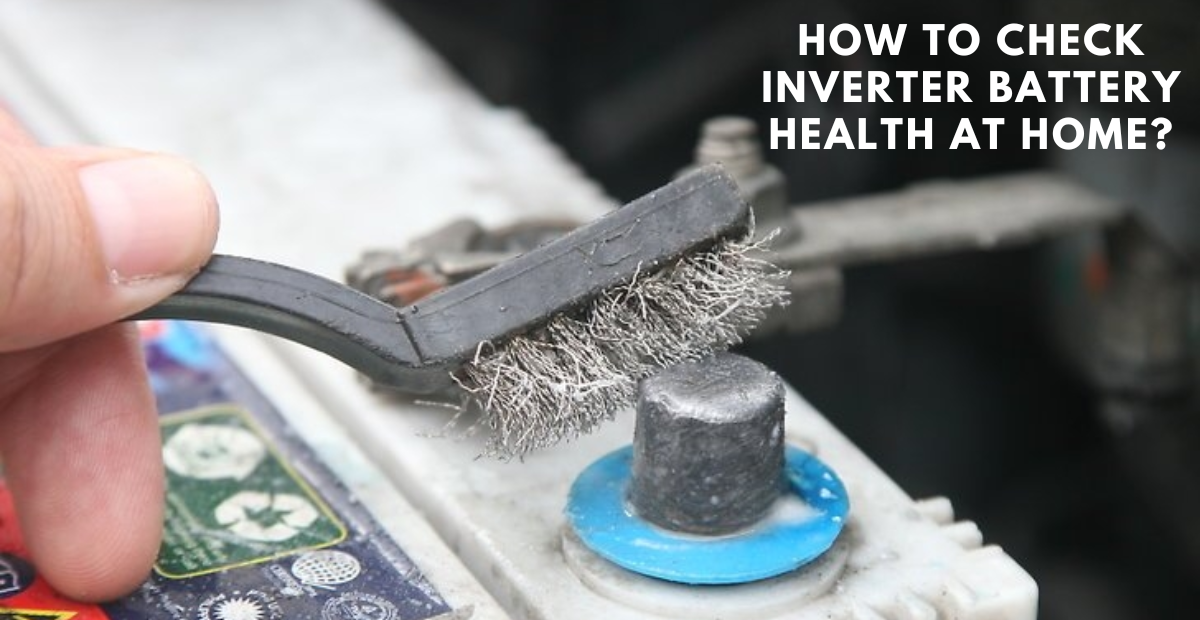
                  Begin by conducting a visual inspection of the inverter battery. Check for any physical damage such as cracks, leakage or corrosion on the terminals. Also, it is advisable to keep the battery clean and free from dust & debris to avoid any potential short circuits.

                  2.Battery Voltage Check

                  One of the easiest ways to keep a check on your inverter battery’s health is by measuring its voltage. To do this, turn off the inverter and let the battery rest for a few hours to stabilize. Use a digital voltmeter to measure the voltage across the battery terminals. If the voltage is lower, it might indicate that the battery is losing its charge-holding capacity.

                  3.Load Test

                  Performing a load test on your inverter battery helps assess its ability to handle the load during power outages. To conduct the test, fully charge the battery and then connect it to a load that simulates the inverter’s output. Observe how long the battery can sustain the load before the voltage drops below the recommended level. It is recommended to conduct this test every six months to assess battery health accurately.

                  4.Battery Capacity Test

                  To assess your inverter battery’s capacity accurately, discharge it fully and then recharge it completely. During the discharge, record the time it takes for the battery to reach its minimum voltage level. A healthy battery should provide sufficient backup time to meet your household needs. If you notice a significant reduction in backup time compared to its initial capacity, it might be time to consider a new battery.

                  5.Check for Excessive Heat

                  Excessive heat is an early indicator of potential battery failure. Touch the battery casing after it has been under load for some time. If it feels unusually hot, there might be an issue with the battery or its charging system. Eco Power recommends checking the ventilation around the battery and ensuring it remains in a cool, dry environment.

                  In conclusion, Eco Power in this blog explains how to check inverter battery health at home and also these above mentioned tips can help you maintain your inverter battery’s health.

                  Moreover, remember to choose an inverter battery from a reputed, inverter battery manufacturer like Eco Power to get the best of performance and durability.

                  Eco power: Best Inverter Battery for your homes

                  In the ever-changing landscape of power supply, inverter batteries play a crucial role in ensuring uninterrupted electricity during blackouts. As an informed consumer seeking reliable backup solutions for your home, choosing the right inverter battery becomes paramount. 

                  While many different types of batteries have come and gone, the market still offers a wide array of options. However, Lead Acid technology remains unchanged and continues to be used as a reliable backup power source for decades.  

                  In this blog, we will explore why Lead Acid inverter batteries stand out as the best option for home usage.

                  1.Proven Technology and Reliability

                  When it comes to inverter batteries, the Lead Acid variant has been the industry’s backbone for decades. Its tried-and-tested technology offers exceptional reliability, making it a go-to choice for homeowners across India. Eco Power, being a leading inverter battery manufacturer in India, capitalizes on this proven technology to deliver robust and consistent performance in their products.

                  2.Cost-Effectiveness

                  Battery Manufacturers understand the importance of providing economical solutions to customers. Lead Acid batteries offer a cost-effective option compared to other battery technologies like lithium-ion. These batteries are more budget-friendly, making them an ideal choice for home users seeking quality performance without breaking the bank.

                  3.Suitable for Varied Power Needs

                  Lead Acid inverter batteries are available in various capacities to suit different power requirements. Whether you live in a small apartment or a large house, Lead Acid batteries can be tailored to meet your specific energy needs, ensuring you have ample backup power during extended power outages.

                  4.High Charge Efficiency

                  One of the key advantages of Lead Acid batteries lies in their high charge efficiency. They can efficiently store power during the charging process and release it steadily when needed. This efficiency ensures that less energy is wasted during the charging and discharging cycles, making Lead Acid batteries an energy-efficient choice for eco-conscious homeowners.

                  5.Low Maintenance Requirements

                  Upgraded versions of Lead Acid batteries are designed for minimal maintenance. With periodic checks and basic care, these batteries can deliver consistent performance over an extended period. This low-maintenance feature is especially appealing to homeowners who prefer hassle-free solutions that don’t require constant attention.

                  In conclusion, Lead Acid inverter batteries are the best choice for homes due to their proven reliability, cost-effectiveness, suitability for varying power needs, high charge efficiency and low maintenance requirements. Eco Power, a leading inverter battery manufacturer in India, uses this tried-and-tested technology to offer robust and consistent performance to eco-conscious homeowners. So, call today and opt a high performing battery from Eco Power today!

                  Tips for Extending the Lifespan of Your Inverter Battery

                  Welcome to the Eco Power blog, where we aim to provide valuable insights to help you get the most out of your inverter battery. As one of the leading battery suppliers and manufacturers in India, Eco Power understands the significance of ensuring your inverter battery’s longevity and optimal performance. In this blogpost, we will explore five essential tips to help you extend the lifespan of your inverter battery, ensuring uninterrupted power supply and cost-effectiveness in the long run.

                  1.Choose the Right Battery:

                  The journey to extending your inverter battery’s lifespan begins with making the right choice. When selecting an inverter battery, consider factors such as its capacity, type and compatibility with your inverter system. Investing in a high-quality battery ensures reliability and longevity. By choosing the right battery that meets your power needs, you set the foundation for maximizing its performance and durability.

                  2.Regular Maintenance:

                  Similar to any other electronic device, inverter batteries require regular maintenance to perform optimally. Create a maintenance schedule and adhere to it carefully. Check the water levels regularly, clean the battery terminals and address any signs of corrosion promptly. Regular maintenance not only ensures efficient performance but also helps in identifying potential issues early on. 

                  3.Do Not Overload:

                  Make sure that you don’t overload your inverter battery, as it can lead to overheating and potential damage. Be aware of your power consumption and ensure that your inverter’s capacity matches your requirements. Overloading not only affects battery life but can also pose safety hazards.

                  4.Avoid Deep Discharges:

                  Frequent deep discharges can significantly impact the health and longevity of your inverter battery. Try to avoid letting your battery discharge completely before recharging. Deep discharges put unnecessary stress on the battery and can lead to reduced performance over time. Avoiding deep discharges will not only extend the battery’s lifespan but also improve its overall efficiency.

                  5.Proper Storage during Extended Disuse:

                  If you have to store your inverter battery for an extended period, taking the right precautions is crucial. Before storing the battery, charge it to its full capacity to prevent sulfation and ensure its readiness when needed again. Find a cool, dry place for storage, away from direct sunlight or extreme heat sources. Periodically check the battery’s charge level during storage and recharge it as needed to prevent deep discharges. 

                  In conclusion, by implementing these five essential tips recommended by Eco Power you can extend the lifespan and performance of your inverter battery. Remember to choose the right battery, perform regular maintenance, avoid overloading and deep discharges, and store it properly during extended disuse. These practices ensure uninterrupted power supply and cost-effectiveness in the long run.